
Moulting is the natural annual process where chickens shed old feathers and grow new ones. It happens once a year, most commonly in autumn as daylight hours decrease. During this time, your chicken may look a bit scruffy, lay fewer eggs, and seem less active. This is normal and usually nothing to worry about.
Chicken Health · 4 min read
Moulting in chickens: Care & Feeding Guide
Veterinary-reviewed guide · Updated 2026-09-18
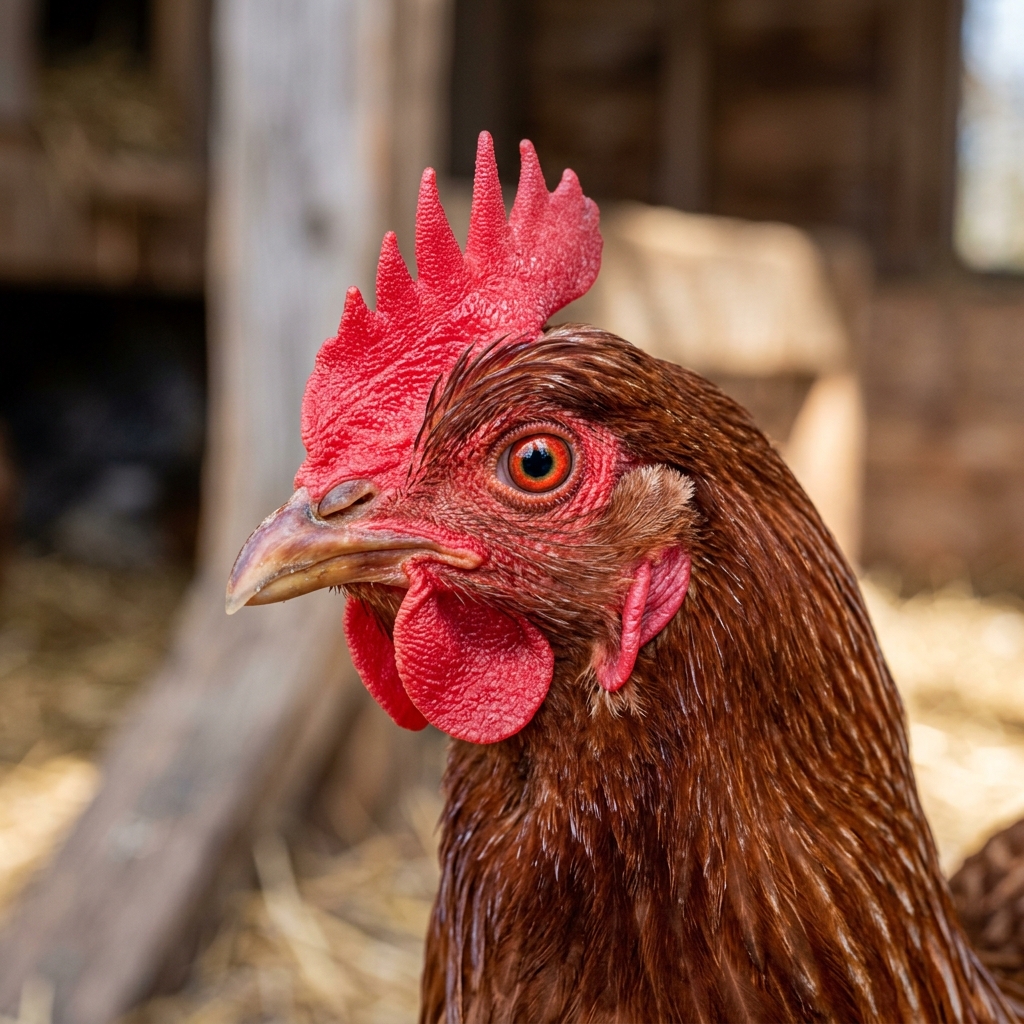
What to check, step by step
- Boost dietary protein to 18–20% (use feather fixer or grower feed).
- Offer black soldier fly larvae or dried mealworms as high-protein treats.
- Inspect around vent and under wings for mites or lice.
- Avoid handling excessively as emerging pin feathers are sensitive and blood-filled.
Red Flags & Emergency Signs
- Chicken is completely recumbent, lethargic, or isolating without eating for >24h.
- Comb turns dark purple/black or pale with gasping breath.
- Bloody or heavily watery diarrhea persisting multiple days.
Supportive Care Guidelines
Ensure dry, draft-free shelter, clean fresh water daily with optional electrolytes, and avoid adding new birds to the flock during peak moult stress.