
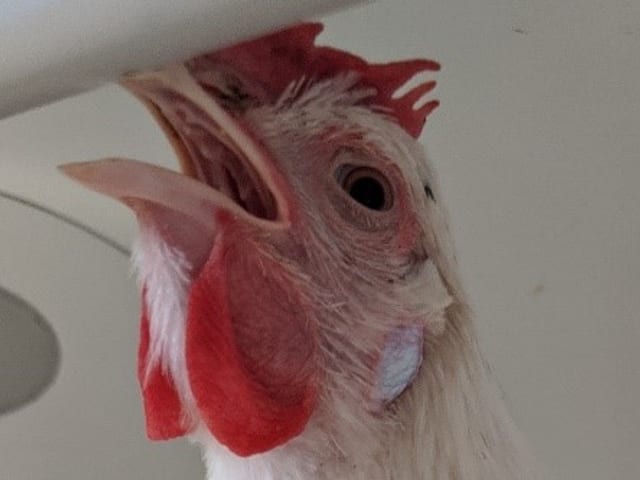
Description
Why hens lay soft-shelled eggs: calcium and diet, stress and heat, age, disease, and a calm triage order for backyard flocks.
Why Do Hens Lay Soft-Shelled Eggs? Causes and a Calm Fix Order
Quick answer
Hens lay soft-shelled or rubber eggs when the shell gland does not deposit a normal calcium shell on time. Common drivers: first-lay glitches in pullets, diet mineral imbalance (calcium, phosphorus, vitamin D3), heat and stress, age, mycotoxins or poor feed, and disease (for example infectious bronchitis or shell gland infection).
University of Georgia Extension notes soft-shelled eggs have a thin calcium layer and paper-like feel, appear more in older hens, and also track with excess phosphorus, moldy feed, salty water, or mycotoxins (UGA Extension C1255). British Hen Welfare Trust lists calcium lack, shell gland infection, infectious bronchitis, bullying, and end of lay among causes (BHWT).
Do today: Date and photo the egg. Clear nests so soft eggs are not eaten. Confirm true layer feed (not scratch as the main diet). Offer free-choice oyster shell in a separate dish. Watch the hen for straining or illness. Log flock patterns, or run a 10-scan check on the hen that seems off.
Quick facts
| Item | Detail |
| Soft shell | Thin mineral layer; dents or flexes |
| Shell-less | Membranes only; different but related triage |
| One pullet oddity | Often settles |
| Repeat mature hen | Audit diet, stress, health |
| Do not ignore | Straining, lethargy, multi-bird shell crash |
| Pair guide | Soft shell eggs triage |
Cause 1: Age and reproductive stage
- Pullets often produce a few odd eggs while the shell gland matures.
- Older hens more often show thin or soft shells as shell quality declines (UGA Extension).
- End of lay can bring more defective shells (BHWT).
Pattern over two weeks matters more than a single scary egg.
Cause 2: Diet minerals and feed quality
Shell is mostly calcium carbonate, built with vitamin D3 and a sensible phosphorus balance.
Check:
- Complete layer feed as the main ration
- Free-choice oyster shell separate from feed (hens dose themselves)
- Scratch and treats not crowding out layer mash
- Feed freshness (mold and mycotoxins damage shell quality per UGA)
- Extreme phosphorus imbalance
Related reading: oyster shell vs eggshells, layer vs grower feed, grit vs oyster shell.
Cause 3: Heat, fear, and management stress
Heat stress and chronic upset (predator pressure, overcrowding, bullying) interrupt normal laying rhythms. Wrinkled or weak shells also show up with stress and with infectious bronchitis in extension literature (UGA on wrinkled eggs and bronchitis).
Cool the run, fix ventilation (coop ventilation), and reduce chaos in the laying window.
Cause 4: Disease
Infectious bronchitis and shell gland infection can smash shell quality across part of the flock (BHWT; UGA on disease-related shell-less and wrinkled eggs). If many hens suddenly lay soft or misshapen eggs and sneeze, snick, or look sick, call a veterinarian. Soft shells alone do not prove bronchitis, but flock-wide shell failure is not "just add calcium" week after week.
Cause 5: Water and salts
UGA flags salty water among contributors to soft and corrugated shells. If you soften water or have mineral-heavy well water, mention it to a poultry-savvy vet or extension agent when shells stay poor.
Triage order (print this)
- Bird OK? Eating, walking, not straining? If straining or down, see egg binding protocol and get help.
- One egg or a streak? Log dates in a simple egg / health record.
- Feed audit. Layer feed + separate oyster shell + limited scratch.
- Nest and collection. Soft eggs left in boxes train egg eating (stop egg eating).
- Climate and stress. Heat wave? New flockmates? Night raccoons?
- Flock pattern. One hen vs many. Respiratory signs?
- Vet. Mature hen, ongoing soft shells after basics, or any sick bird.
Soft shell vs shell-less vs thin
| Type | Feel | Notes |
| Soft-shelled | Thin mineral, flexes | UGA: paper-like, caves to touch |
| Shell-less | Membrane only | Immature shell gland, disease, mineral/D3 issues (UGA) |
| Thin hard shell | Looks normal, cracks easy | Still a shell-quality problem |
Common mistakes
- Panic supplements stacked the afternoon of the first pullet egg
- Leaving soft eggs in the nest
- Calling scratch "feed"
- Ignoring a lethargic hen because the egg was the interesting part
FAQ
Are soft-shelled eggs safe to eat?
When quality and cleanliness are in doubt, discard. Food safety is separate from flock triage.
How long after fixing calcium should shells improve?
Often several days to a couple of weeks for diet-driven issues, because each egg is built on its own schedule. Keep dating eggs so you see the trend.
Do soft shells mean she is egg bound?
Not by themselves. Straining, tail pumping, and distress are the emergency signs.
Photo the hen, not only the egg
Shell problems are easier to solve when you also track comb, eyes, posture, and condition. Flockline 10-scan packs give you a repeatable check for $1.99: Start 10 scans.
Sources
- UGA Extension: A dozen egg abnormalities (C1255)
- British Hen Welfare Trust: Soft shell eggs
- Flockline Learn: Soft shell triage
Educational guide. Not veterinary advice. Matches Flockline Learn egg-topic safety (no unverified drug protocols).